top fishing net for sale near me
Your Comprehensive Guide to Picking the Right Fishing Nets for Any Angler
Selecting the right fishing net is essential for any angler. It can significantly impact both the fishing experience and conservation efforts. Numerous nets suit different fishing techniques, environments, and target species. Understanding key features and alternatives available is key to making an informed choice. As anglers assess their needs, they must also assess factors like durability and design. What specific qualities should they focus on to enhance their success on the water?
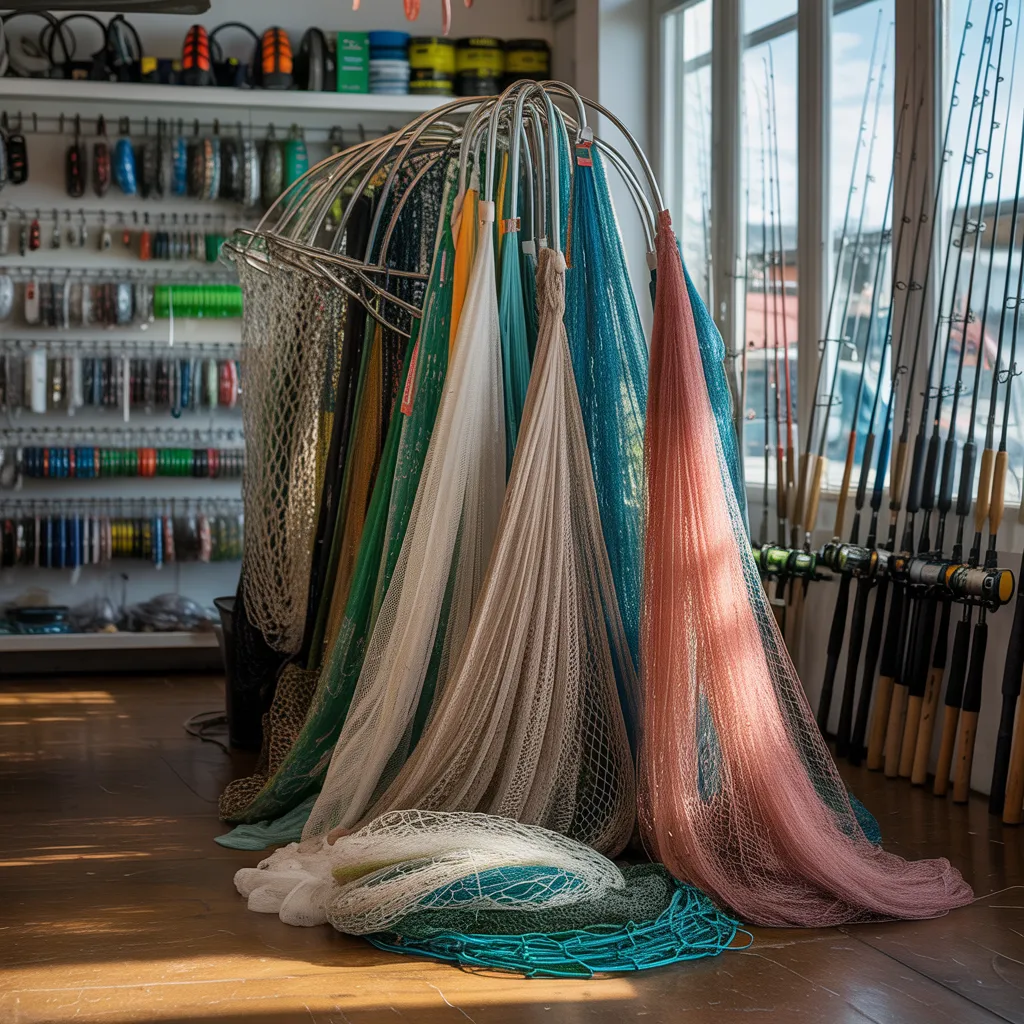
Why Picking the Correct Fishing Net Matters
Choosing the right fishing net is essential, as it substantially influences both the fishing experience and conservation efforts. A carefully picked net improves efficiency, enabling anglers to land their catch with minimal stress. Different fishing environments and species need specific net types, impacting the likelihood of a successful outing. Moreover, the choice of net materials can influence the health of fish populations. Using nets designed with fish-friendly mesh minimizes injuries and encourages catch-and-release practices, contributing to sustainable fishing.
Furthermore, an well-chosen net can allow for simpler handling of fish, improving the entire experience for the angler. Whether targeting fresh or saltwater species, understanding the critical nature of net selection guarantees that both recreational and professional anglers can take pleasure in their activities while encouraging ecological responsibility. Ultimately, the right fishing net serves not only as a tool but also as a crucial component of responsible fishing practices, blending satisfaction with environmental stewardship.
Key Characteristics of Fishing Nets: What to Keep in Mind
When selecting a fishing net, anglers should emphasize essential features that boost functionality and usability. First, the net's material is crucial; nylon and rubber options are well-regarded for their durability and reduced fish harm. Mesh size is another key aspect; finer meshes prevent small fish from escaping while larger openings allow for easier catch-and-release.
The length of the net's handle must also match the angler's fishing style, whether from a boat or shore. A lightweight and robust handle will reduce fatigue during extended use. Moreover, collapsible or telescoping designs provide portability and ease of storage.
Last but not least, the landing net's hoop shape can affect performance; round nets deliver better maneuverability, while rectangular shapes may be more effective for landing fish. By concentrating on these essential features, anglers can pick a net that satisfies their individual needs and elevates their fishing experience.
Which Types of Fishing Nets Should You Evaluate?
Numerous types of fishing nets accommodate different fishing strategies and environments, making it necessary for anglers to analyze their specific needs. The most common types include landing nets, which are intended for safely bringing fish aboard; cast nets, designed for trapping baitfish; and dip nets, perfect for scooping fish from shallow waters.
Furthermore, anglers might consider specialized nets like seine nets, which are useful for larger catches along shorelines, and gill nets, frequently utilized in commercial fishing for targeting specific species.
Each net type varies in design, material, and size, influencing its usability and performance. For instance, lightweight nets facilitate swift manipulation, while sturdy choices resist difficult conditions. By understanding the individual functions of every type, anglers can arrive at educated decisions that elevate their fishing results and experience.
Leading Nets for Catch-and-Release Fishing
Proper catch-and-release fishing relies on using the right net to reduce stress and injury to the fish. Anglers should prioritize nets with soft, non-abrasive materials that minimize the risk of damaging the fish's skin and scales. Rubberized mesh nets are particularly advantageous, as they are more forgiving than traditional nylon, preventing hook snags and preserving moisture that supports fish recovery.
Light-weight designs are also crucial, permitting effortless handling and quick releases. Folding or collapsible nets can be particularly advantageous, as they deliver convenience without affecting usability.
Furthermore, a net with a more substantial bag will better accommodate larger fish, boosting the probability of a successful release. Anglers should also determine net size depending on the species they target, making sure that the net is properly sized for the fish being caught. All in all, the right net substantially elevates the catch-and-release experience, encouraging sustainable fishing practices.
Finest Commercial-Grade Nets for Hauling In Trophy Fish
When pursuing trophy fish, selecting a heavy-duty net is vital for guaranteeing a triumphant catch. The durability and strength of the materials used are paramount, as they must bear the weight and struggle of larger species. Additionally, the net design and size play important roles in delivering both functionality and ease of use during the landing process.
Material Durability and Strength
Strength and durability are essential when deciding on heavy-duty fishing nets, most notably for landing trophy fish. The materials used in the construction of these nets play a crucial role in their ability to withstand the weight and struggle of large catches. Common materials include nylon and polyethylene, recognized for their resistance to abrasion and UV degradation. A heavy-duty net should feature fortified seams and durable frames, often constructed from aluminum or fiberglass, to guarantee maximum strength. Additionally, rubber-coated nets can complete information lessen fish harm and enhance longevity. Selecting a net constructed with high-quality materials not only boosts performance but also provides peace of mind during intense fishing battles, assuring anglers can reliably land their prized catches.
Net Size and Design
Choosing the right size and design for a fishing net directly affects an angler's ability to successfully land trophy fish. Heavy-duty nets are vital for handling larger species, as they require enhanced strength and stability. A net with a larger hoop diameter delivers ample space, allowing for easier maneuvering and reduced stress on the fish during landing. Moreover, a deeper net design minimizes the chances of fish escape, providing a secure catch. Anglers should also consider the net's mesh material; rubberized mesh is favored for its gentleness on fish scales and fins. In summary, investing in a strong and appropriately sized net is critical for those targeting trophy fish, elevating both the angler's experience and the fish's survival post-catch.
Finding the Balance: Lightweight vs. Sturdy Nets
How does one strike the perfect balance between lightweight and sturdy fishing nets? This challenge confronts fishermen as they choose gear suited to their angling requirements. Nets with minimal weight are regularly selected for their effortless use and portability, proving excellent for marathon fishing days. Their nimbleness can enhance casting and retrieval, allowing for quick responses to fish activity.
Conversely, sturdiness is crucial when dealing with larger species or demanding environments. A sturdy net can handle the pressures of landing hefty fish, reducing the risk of breakage. However, a net that is too heavy can become unwieldy, especially during lengthy use.
At the end of the day, the perfect net combines the most desirable aspects of both worlds. Anglers should assess their specific fishing scenarios, the size of desired species, and their own preferences. By evaluating these considerations, they can pick a net that delivers the essential strength without sacrificing the agility necessary for productive fishing.
Proper Care Guidelines for Your Fishing Net's Longevity
Maintaining a fishing net is vital for guaranteeing its durability and effectiveness. Regular cleaning is critical; anglers should clean their nets with clean water after each use to remove salt, dirt, and debris. This simple step prevents corrosion and the buildup of damaging substances that could deteriorate the material.
Inspecting the net for damage is another essential practice. Any frayed or torn areas should be fixed quickly, as neglect can cause further deterioration. Moreover, storing the net appropriately is important. It should be kept in a climate-controlled, dry place, away from direct sunlight, to avoid material degradation.
Employing a 防护 cover can also shield the net from environmental elements. Lastly, applying a thin coat of silicone spray can help preserving flexibility and avoid sticking. By observing these care guidelines, anglers can prolong the life of their fishing nets and guarantee they remain reliable tools on the water.
Popular Questions
Can a Fishing Net Be Used for Other Outdoor Activities?
Indeed, a fishing net can be used for various outdoor activities, such as gathering leaves, collecting debris in ponds, or even as a makeshift shelter. Its versatility extends beyond fishing into general outdoor utility.
What's the Best Method for Storing My Fishing Net?
Hanging a fishing net in a cool, dry place is the best storage method. This protects it from damage, prevents tangles, and extends its lifespan, ensuring simple retrieval during your next fishing outings.
How Should I Clean My Fishing Net Properly?
To correctly clean a fishing net, rinse it using freshwater right after use, eliminating debris and slime. Soaking in a mild soap solution for a brief period can help remove stubborn residues before rinsing thoroughly.
Are There Specific Fishing Nets for Saltwater Fishing?
Yes, there are fishing nets purposely built for saltwater fishing. These nets generally include corrosion-resistant materials, stronger frames, and wider mesh sizes to accommodate the specific demands created by saltwater environments and bigger fish species.
Are Fishing Nets Repairable When Damaged?
Fishing nets can frequently be repaired when damaged. Depending on the type of material, minor holes can be mended with patches or stitching, whereas broken frames could require new parts or professional repair help.